
It only takes a moment for your horse to bolt out the door or break away from his leash, and many lost horses never find their way home because they have no form of identification when they get away. Tags on collars are great, but horses often break or lose their collars in their attempt at freedom. Microchipping is a way to ensure your horse can find his way home, with permanent identification always in place. Here is a closer look at how you can use a microchip to keep your horse safe.
What Is a Microchip?
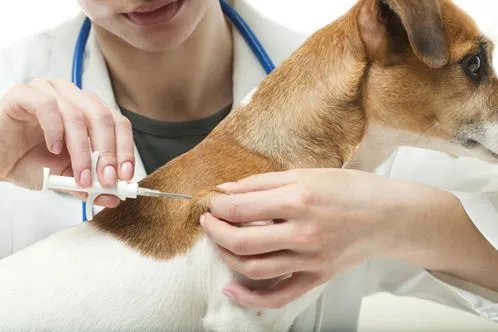
A microchip is a tiny electronic device that is injected into your horse just below the skin. It’s only about as big as a grain of rice, but it stores information, like your contact information, which is delivered via radiowaves. When your horse is lost and someone scans him with the right type of scanner, they can access the contact information and get your horse back to you.
Is Microchipping Safe?
Microchips do not need a power source and contain no moving parts, so they are safe to stay in your horse for a lifetime. They are made from material that is compatible with an animal’s body, so any discomfort or rejection is very rare. Over time, the microchip will become encased in the tissue, which means it will not move around the body.
What to Expect at a Microchipping Appointment
If you wish to have your horse microchipped, simply ask about it at your next appointment. The procedure is simple. Your horse’s vet will inject the microchip using a sterile syringe into your horse’s skin between the shoulder blades. The procedure is quick and causes minimal discomfort, just like a vaccination.
Once your horse is microchipped, you will receive paperwork that tells you how to register the microchip. Registering is very important, because that is how your information gets put on to the microchip. If you don’t register the microchip, it is worthless. Also, you will need to keep this information so you can change your contact information if you move or get a new phone number. Up-to-date information is critical to making sure you protect your horse with your microchip.
What Happens if Your Pet Gets Lost?
If your horse is lost, the people who find him can take him to a local vet or shelter to be scanned. If your microchip information is up-to-date, the scanner will find your contact information and the vet or shelter staff can give you a call. You are able to collect your horse and return him home easily.
Microchipping your horse is a simple solution to add a layer of protection in case your horse is lost. Schedule your appointment today with Hill Country Equine to have your horse microchipped, and give yourself the peace of mind that comes from knowing you will always have a way to be reunited.